Burst pipe guide
Burst pipe water damage in Fort Myers
A burst pipe is usually a sudden, high-volume water loss. The right response is simple: stop the water, stay safe, document the damage, remove standing water, and verify that walls, floors, cabinets, and subfloor are dry.
Stop the source
Shut off the water before cleanup
For a burst supply line, close the nearest fixture shutoff if you can identify it. If you cannot, use the main water shutoff. In many Fort Myers homes, the main shutoff is near the meter, garage, exterior wall, or where the line enters the home.
Do not enter standing water to reach a valve if electrical hazards are possible. If the burst is behind a wall or ceiling and water is still flowing, call for plumbing and water mitigation help at the same time.
- 01 Turn off the main water valve if the room is safe.
- 02 Avoid wet rooms with outlets, appliances, or sagging ceilings.
- 03 Move electronics, rugs, and furniture away from wet flooring.
- 04 Photograph the pipe, water spread, and damaged materials before demolition.
- 05 Keep the failed part if your insurer or plumber may need it.
What gets wet
Burst pipes rarely stay in one spot
A pipe release can run under baseboards, through wall cavities, below cabinets, and across slab floors. Tile may look easy to mop, but water can still collect under adjacent flooring or built-ins.
Overhead pipe bursts need special attention because ceilings, insulation, light fixtures, walls, flooring, and contents can all be affected by one release.
Walls and trim
Drywall and baseboards can wick water above the visible water line.
Cabinets
Toe kicks and cabinet backs can trap moisture against walls and slab floors.
Flooring
Carpet pad, laminate, vinyl plank edges, and subfloor can hold water after the room looks dry.
Ceilings
Overhead leaks can saturate insulation and ceiling drywall before stains appear.
Claim prep
How burst pipe claims are usually evaluated
Florida CFO guidance lists accidental discharge or overflow of water or steam among common covered perils in many homeowners policies. Coverage still depends on your exact policy, cause of loss, exclusions, deductible, and claim documentation.
The key distinction is sudden and accidental damage versus long-term seepage, maintenance neglect, or floodwater from outside. Documenting the date, source, damaged rooms, and emergency mitigation helps support the timeline.
Often stronger claim facts
A single sudden release from a supply line, water heater, appliance line, or broken pipe with prompt reporting and mitigation.
Often harder claim facts
Long-term staining, recurring leaks, ignored maintenance, outdoor flooding, or mold that followed delayed cleanup.
Documentation to keep
Photos, video, failed part, plumber notes, drying logs, invoices, damaged-content list, and adjuster communications.
Drying plan
Dry the structure, not just the floor
A shop vacuum and towels can reduce standing water, but they do not prove that hidden materials are dry. EPA guidance calls for quick water extraction, dehumidification, and airflow for clean-water losses when appropriate.
If mold growth is visible or the source may be contaminated, do not use fans until the water category and cleanup approach are clear. Air movement can spread contamination when used at the wrong time.
Emergency extraction
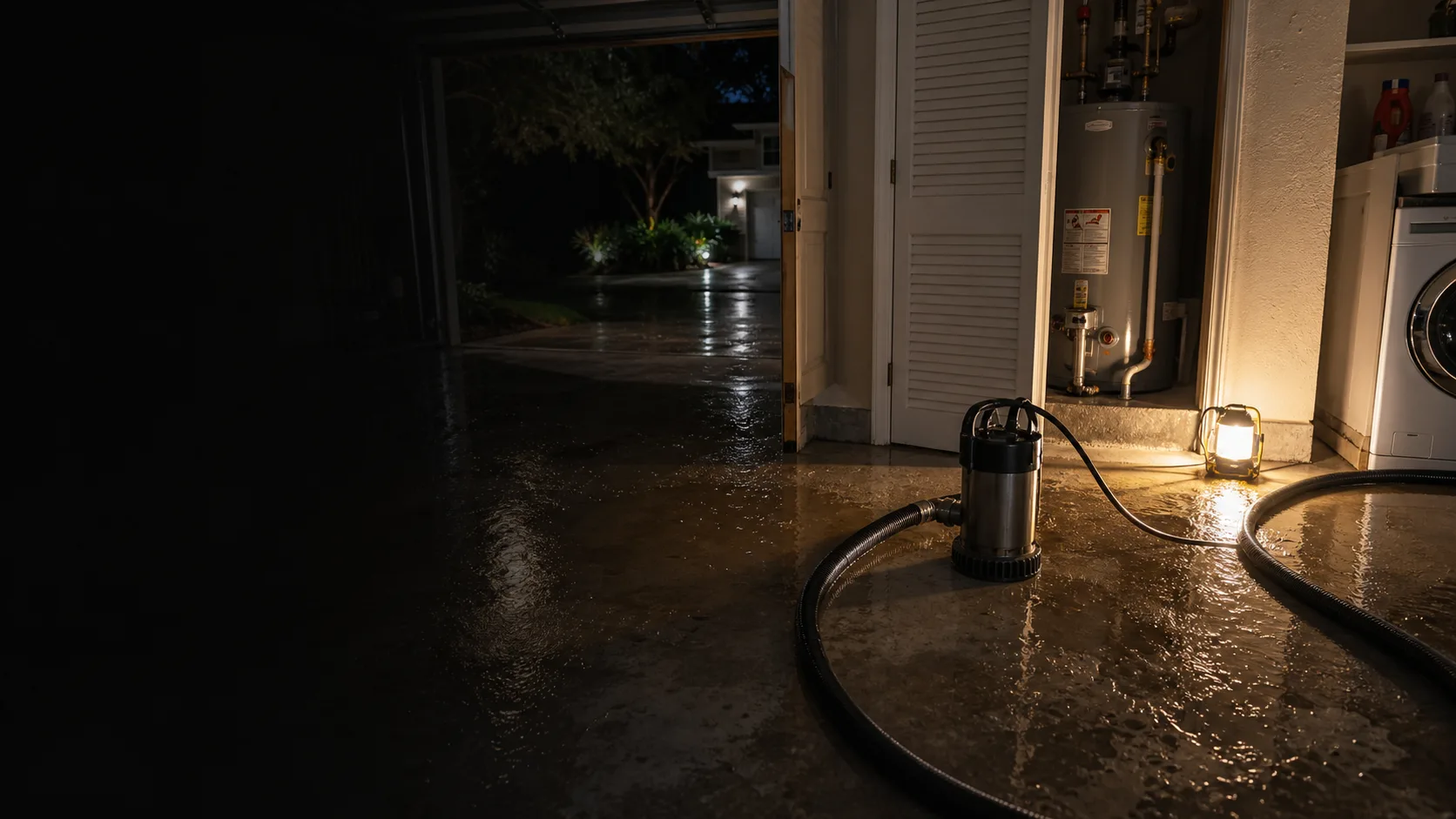
Remove standing water before it keeps spreading.
Extraction helpWater damage restoration
Map moisture, dry structure, and document the loss.
Restoration serviceInsurance guide
Understand sudden water losses versus flood and gradual damage.
Coverage guideRelated guides
Keep researching the same loss.
Research sources
Source-backed guidance.
These support pages use official cleanup, flood recovery, and Florida insurance resources where possible.
FAQ
Common questions.
-
Does homeowners insurance cover a burst pipe in Florida?
Often, sudden and accidental pipe bursts are treated differently from gradual leaks or neglected maintenance. Coverage depends on your policy, exclusions, deductible, and documentation, so report the loss and ask your insurer directly.
-
Do I need to keep the broken pipe or failed part?
If it is safe and practical, keep the failed hose, fitting, pipe section, or appliance part until your insurer or adjuster says it is no longer needed.
-
Can a burst pipe cause mold?
Yes. If wet materials are not dried quickly and completely, mold can grow in wall cavities, carpet pad, cabinets, and other porous materials. EPA guidance treats the first 24-48 hours as an important mold-prevention window.
Service
Water Damage Restoration
24/7 Fort Myers water damage restoration with extraction, structural drying, moisture checks, and insurance-ready documentation.
OpenService
Emergency Water Removal
Fast emergency water removal for standing water from burst pipes, appliance leaks, storm intrusion, and overflows.
OpenService
Flood Damage Cleanup
Flood cleanup for Fort Myers homes and businesses: extraction, debris removal, sanitizing, drying, and claim documentation.
OpenService
Mold Remediation
Mold remediation support after leaks, floods, and hidden moisture, focused on containment, cleanup, and moisture control.
OpenBurst pipe cleanup
Stop the water, then dry what is hidden.
Request emergency help for extraction, structural drying, and claim-ready documentation after a burst pipe.
Verified partner details, certifications, reviews, and license information will be added after a legitimate local restoration business is attached.